Why Regular Air Conditioner Tune-Ups Save You Money sets the stage for this engaging narrative, providing readers with a captivating overview of the importance of regular maintenance for cost savings.
It delves into the key components of tune-ups, the significant cost savings they offer, and the comparison between professional and DIY maintenance, all while maintaining a casual formal language style.
Importance of Regular Air Conditioner Tune-Ups
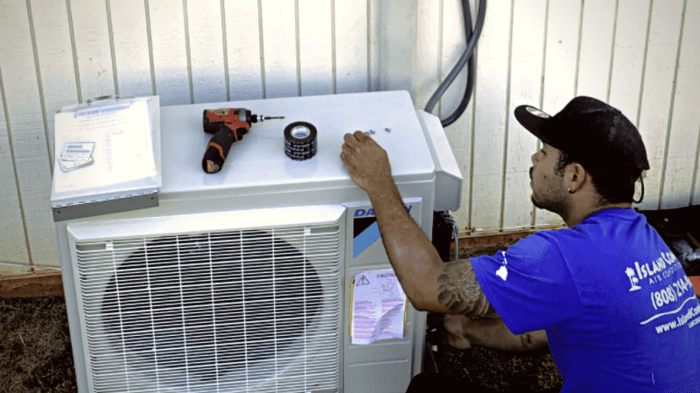
Regular air conditioner tune-ups play a crucial role in extending the lifespan of your unit and ensuring optimal performance. By scheduling routine maintenance, you can avoid costly repairs and major breakdowns, ultimately saving you money in the long run.
Impact on Longevity
Routine tune-ups help keep your air conditioner running smoothly, reducing wear and tear on the system components. This proactive approach can significantly extend the lifespan of your unit, allowing you to get the most out of your investment.
Prevention of Major Breakdowns
Neglecting regular tune-ups can lead to minor issues escalating into major problems over time. By identifying and addressing potential issues early on, you can prevent costly breakdowns and avoid the inconvenience of a malfunctioning air conditioner during the hot summer months.
Efficiency and Energy Savings
A well-maintained air conditioner operates more efficiently, using less energy to cool your home effectively. Neglecting tune-ups can result in decreased efficiency, causing your energy bills to rise as your unit works harder to maintain the desired temperature. By investing in regular maintenance, you can ensure that your air conditioner runs efficiently, saving you money on your monthly utility costs.
Components of an Air Conditioner Tune-Up
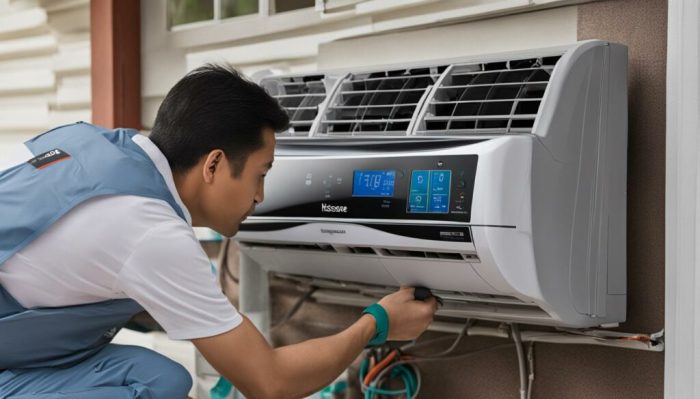
Regular air conditioner tune-ups involve checking and servicing various components to ensure optimal performance and efficiency. These components play a crucial role in the overall functioning of the AC system and should be properly maintained to prevent breakdowns and costly repairs.
Cleaning or Replacing Air Filters
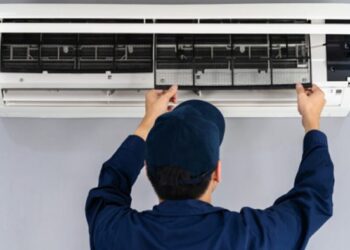
One of the key components checked during a tune-up is the air filter. Air filters help trap dust, dirt, and other particles, preventing them from entering the AC system. Over time, these filters can get clogged, reducing airflow and forcing the system to work harder to cool the air.
Cleaning or replacing air filters regularly is essential to maintain good air quality, improve energy efficiency, and prevent strain on the system.
Lubricating Moving Parts
Another important aspect of an air conditioner tune-up is lubricating moving parts such as bearings, motors, and fans. Proper lubrication reduces friction between components, helping to minimize wear and tear and extend the lifespan of the system. By ensuring that moving parts are well-lubricated, you can improve the overall efficiency of the AC unit and reduce the risk of malfunctions.
Cost Savings from Regular Tune-Ups

Regular air conditioner tune-ups can actually save you money in the long run. Here’s how:
Improved Efficiency
One of the main ways regular maintenance saves you money is by ensuring that your air conditioner operates at its peak efficiency. A well-maintained unit doesn’t have to work as hard to cool your home, which means it uses less energy.
This, in turn, leads to lower energy bills month after month.
Prevent Expensive Repairs
During a tune-up, HVAC technicians can catch small issues before they turn into major problems. By addressing these issues early on, you can avoid costly repairs in the future. In the end, investing in regular tune-ups can actually save you from the headache and expense of dealing with a broken air conditioner.
DIY vs. Professional Tune-Ups
When it comes to maintaining your air conditioner, you may be wondering whether to tackle the tune-up yourself or hire a professional HVAC technician. Let’s explore the benefits of each approach and the potential risks involved.
Benefits of Hiring a Professional
- Expertise and Experience: HVAC technicians have the necessary training and experience to identify and address issues that may go unnoticed during a DIY inspection.
- Efficiency: Professionals can perform thorough tune-ups quickly and efficiently, ensuring your air conditioner runs smoothly.
- Quality Assurance: Professional tune-ups often come with guarantees or warranties, giving you peace of mind in case something goes wrong.
Risks of DIY Maintenance
- Damage to Equipment: Without proper knowledge, DIY attempts can lead to unintentional damage to your air conditioner, potentially resulting in costly repairs.
- Safety Hazards: Working with electrical components and refrigerants without proper training can pose safety risks to untrained individuals.
- Voided Warranties: Some manufacturers require professional maintenance to uphold the warranty, risking voiding it if DIY maintenance is attempted.
Tips for Homeowners
- Regular Filter Replacement: Homeowners can easily replace air filters every 1-3 months to ensure proper airflow and efficiency.
- Clean Surrounding Area: Keeping the area around the outdoor unit clear of debris and vegetation can improve airflow and prevent blockages.
- Check Thermostat Settings: Ensure your thermostat is set correctly to avoid unnecessary strain on your air conditioner.
Concluding Remarks
In conclusion, Why Regular Air Conditioner Tune-Ups Save You Money offers a comprehensive look at the benefits of regular maintenance, emphasizing the long-term savings and efficiency gains that come with it.
Question & Answer Hub
How often should I get my air conditioner tuned up?
It is recommended to have your air conditioner tuned up at least once a year to ensure optimal performance and longevity.
Can I clean or replace the air filters myself?
Yes, cleaning or replacing air filters is a simple task that homeowners can perform to maintain the efficiency of their air conditioner.
What are the signs that my air conditioner needs a tune-up?
Signs include reduced cooling efficiency, strange noises, or unusual odors coming from the unit.