Exploring ways to enhance your AC performance without the need for a replacement opens up a world of possibilities for better cooling efficiency. By optimizing airflow, checking for leaks, and utilizing energy-saving techniques, you can enjoy a more comfortable and cost-effective environment.
Dive into this comprehensive guide to discover practical solutions that will elevate your AC experience.
Delve deeper into the intricacies of AC optimization with expert advice on maximizing performance without the hassle of replacing your unit.
Ways to Enhance AC Performance
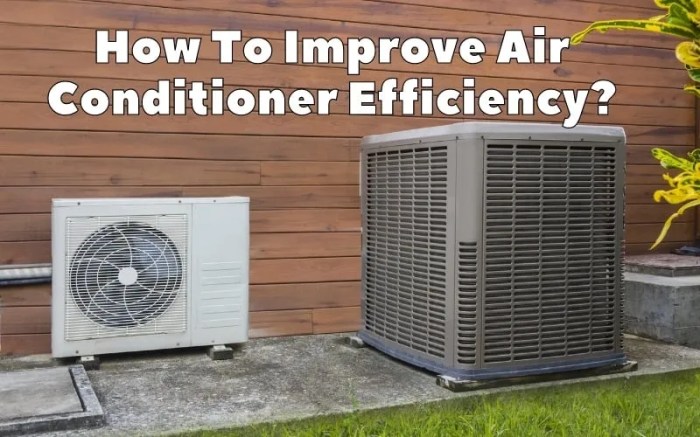
Improving the performance of your AC system can help you stay comfortable and save on energy costs. By following these tips, you can optimize airflow, maintain air filters, and keep your AC coils clean.
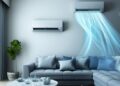
Optimizing Airflow
- Ensure vents are not blocked by furniture or other objects to allow air to flow freely.
- Clean dust and debris from vents to prevent obstructions and improve air circulation.
- Consider using fans to help distribute cool air throughout the room more effectively.
Cleaning or Replacing Air Filters
- Check air filters regularly and clean or replace them as needed to maintain optimal airflow.
- Dirty filters can restrict airflow and cause the AC system to work harder, leading to increased energy consumption.
- Consider using high-efficiency filters to improve air quality and system efficiency.
Importance of Regular AC Maintenance
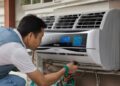
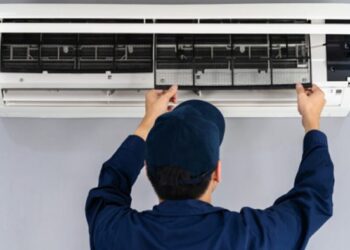
- Schedule annual maintenance checks with a professional to ensure your AC system is running efficiently.
- Regular maintenance can help identify and address issues before they become major problems, saving you time and money in the long run.
- Proper maintenance can extend the lifespan of your AC system and improve its overall performance.
Benefits of Keeping AC Coils Clean
- Clean coils allow for better heat transfer, improving the efficiency of your AC system.
- Dirty coils can lead to reduced cooling capacity and increased energy consumption.
- Regularly cleaning coils can help prevent breakdowns and extend the life of your AC unit.
Improving Cooling Efficiency
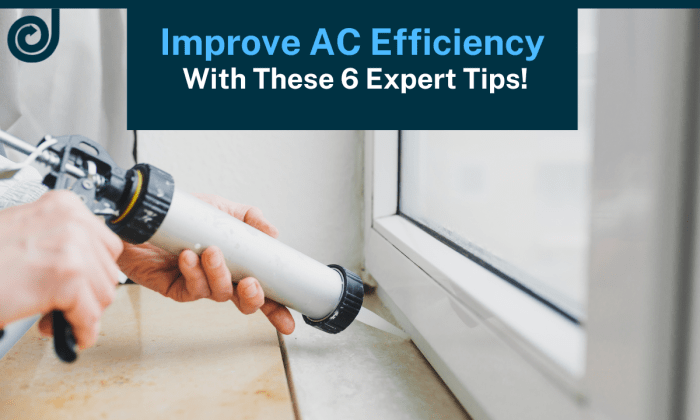
Improving the cooling efficiency of your AC system can lead to better performance and lower energy bills. Here are some strategies to help you achieve this:
Checking and Sealing Duct Leaks
One common reason for decreased cooling efficiency is air leaks in the ductwork. Inspect your ducts for any visible gaps, holes, or loose connections. Use mastic sealant or metal tape to seal these leaks and prevent cooled air from escaping.
Impact of Shading on the Outside Unit
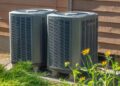
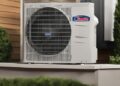
Providing shade for your outdoor AC unit can help it operate more efficiently. Plant trees or install awnings to block direct sunlight, reducing the workload on the system and improving overall cooling performance.
Reducing Heat Sources Inside the House
Avoid activities that generate heat during the hottest parts of the day, such as cooking on the stove or using the oven. Use energy-efficient appliances and consider installing window coverings to block out sunlight and reduce heat gain indoors.
Advantages of Using a Programmable Thermostat
Investing in a programmable thermostat can help you optimize your cooling system’s performance. Set the temperature to increase slightly when you’re away or asleep to save energy, and program it to cool the house before you return. This way, you can maintain comfort while reducing energy consumption.
Enhancing Energy Efficiency
To further enhance the energy efficiency of your AC system, there are several additional steps you can take beyond just improving cooling efficiency. These steps focus on optimizing the way your AC system operates to reduce energy consumption while maintaining comfort levels in your home.
Setting the Right Temperature
- Set your thermostat to the highest temperature that is still comfortable for you. Each degree lower can increase energy consumption by 3-5%.
- Consider using a programmable thermostat to automatically adjust the temperature based on your schedule, saving energy when you are not at home.
- Utilize the “auto” fan setting instead of “on” to ensure the fan turns off when the desired temperature is reached, reducing energy usage.
Using Ceiling Fans
- Ceiling fans can help distribute cool air more effectively throughout the room, allowing you to set the thermostat higher while still feeling comfortable.
- By using ceiling fans in conjunction with your AC, you can reduce the workload on the AC system and save energy.
- Remember to turn off ceiling fans when you leave the room, as they only provide a cooling effect when someone is present.
Proper Insulation
- Ensure your home is properly insulated to prevent cool air from escaping and hot air from entering, reducing the workload on your AC system.
- Seal any gaps or cracks around doors, windows, and vents to maintain a consistent temperature inside your home.
- Proper insulation can significantly improve the efficiency of your AC system and lower your energy bills.
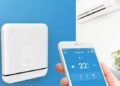
Smart AC Controller
- Installing a smart AC controller allows you to remotely control your AC system and adjust settings based on your usage patterns.
- Smart controllers can optimize energy usage by learning your preferences and adjusting the temperature accordingly.
- Some smart controllers can also provide energy usage reports and recommendations for further efficiency improvements.
Troubleshooting Common AC Issues
When it comes to maintaining your AC unit, being able to troubleshoot common issues can save you time and money in the long run. Here are some key problems to watch out for:
Identifying Refrigerant Leaks
Refrigerant leaks can significantly impact the performance of your AC system. Signs of a leak include reduced cooling efficiency, warm air blowing from vents, and ice buildup on the evaporator coils. If you suspect a refrigerant leak, it’s crucial to address it promptly to prevent further damage to your unit.
Checking and Cleaning Condenser Coils
The condenser coils play a vital role in releasing heat from your AC system. Over time, these coils can get clogged with dirt and debris, hindering the cooling process. Regularly checking and cleaning the condenser coils can improve the overall efficiency of your unit and prevent breakdowns.
Troubleshooting Uneven Cooling
If you notice certain areas in your home are not receiving adequate cooling, it could be due to issues with airflow or ductwork. Check for obstructions in vents, ensure proper insulation in ducts, and consider adjusting the thermostat settings to achieve more balanced cooling throughout your space.
Addressing Unusual AC Noises
Unusual noises coming from your AC unit can indicate underlying problems such as loose components, worn-out belts, or debris in the system. Pay attention to any grinding, squealing, or rattling sounds and consult a professional if needed to diagnose and resolve the issue promptly.
Closure
In conclusion, by implementing the strategies Artikeld in this guide, you can significantly enhance your AC performance without the need for a costly replacement. From simple maintenance tips to energy-efficient practices, the key to a well-functioning AC lies in your hands.
Take charge of your cooling comfort today and enjoy a more efficient and effective cooling system for years to come.
FAQ Summary
How often should I clean or replace my air filters?
It’s recommended to check and replace your air filters every 1-3 months to ensure optimal AC performance.
What are the benefits of using a programmable thermostat for my AC?
A programmable thermostat allows you to set specific temperatures for different times of the day, helping you save energy and maintain comfort.
How can I identify signs of refrigerant leaks in my AC system?
Look out for reduced cooling capacity, ice buildup on the coils, or hissing noises, which may indicate a refrigerant leak that needs attention.
Why is proper insulation crucial for improving AC performance?
Proper insulation helps maintain consistent indoor temperatures, reducing the load on your AC system and improving overall efficiency.
What should I do if I notice unusual noises coming from my AC unit?
If you hear unusual sounds like grinding, squealing, or banging, it’s best to turn off your AC and contact a professional for inspection and repairs.