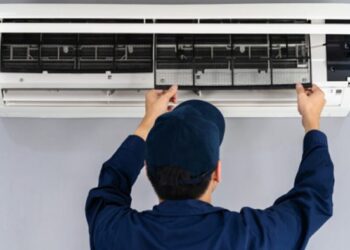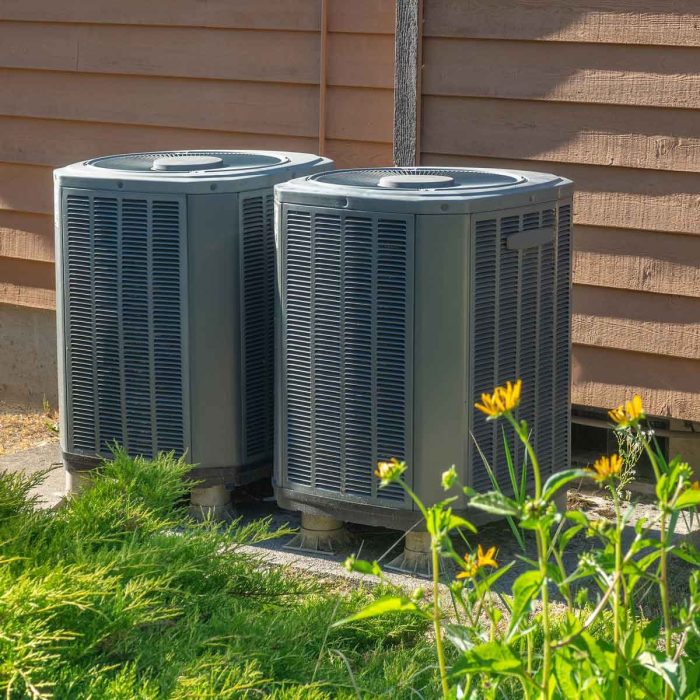
Starting with Common Air Conditioner Problems and How to Solve Them, the discussion unfolds in an engaging manner, captivating readers with valuable insights and solutions to common issues faced by air conditioners.
The following paragraphs will delve into the details of these problems and provide practical tips for resolving them effectively.
Common Air Conditioner Problems
Air conditioners can face various issues that can impact their performance and efficiency. It is essential to be aware of these common problems to address them promptly and prevent further damage.
1. Refrigerant Leaks
Refrigerant leaks are a common problem that can occur due to wear and tear or poor installation. These leaks not only reduce the cooling capacity of the air conditioner but also pose environmental hazards. Warning signs include reduced cooling efficiency and hissing sounds coming from the unit.
2. Dirty Air Filters
Dirty air filters can restrict airflow, leading to reduced cooling performance and increased energy consumption. Regularly changing or cleaning the air filters is crucial to maintain the efficiency of the air conditioner. Warning signs include poor air quality, increased dust in the air, and uneven cooling.
3. Frozen Evaporator Coils
Frozen evaporator coils are often caused by restricted airflow or low refrigerant levels. This can prevent the air conditioner from cooling effectively and may result in system breakdown. Warning signs include ice buildup on the coils and warm air blowing from the vents.
4. Electrical Issues
Electrical problems such as faulty wiring or sensor issues can disrupt the functioning of the air conditioner. These issues can lead to frequent cycling, uneven cooling, or complete system failure. Warning signs include tripped circuit breakers, strange odors, or unusual sounds coming from the unit.
5. Thermostat Problems
Thermostat issues can cause the air conditioner to run erratically or not cool the space adequately. Malfunctioning thermostats can result in temperature inaccuracies and discomfort. Warning signs include temperature fluctuations, unresponsiveness to thermostat settings, or a constantly running unit.
Refrigerant Leaks
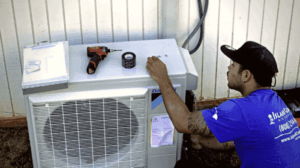
Refrigerant leaks in an air conditioner can disrupt the cooling process and lead to inefficiencies in the system. When there is a refrigerant leak, the AC unit may struggle to cool the air effectively, resulting in decreased cooling performance and increased energy consumption.
Signs of a Refrigerant Leak
- Warm air blowing from the vents
- Hissing or bubbling sounds near the AC unit
- Frost or ice buildup on the refrigerant lines
- An increase in energy bills without a corresponding increase in cooling
- A noticeable decrease in cooling capacity
Detecting a Refrigerant Leak
- Perform a visual inspection of the refrigerant lines for any signs of oil or refrigerant stains
- Use a leak detection kit to identify the location of the leak
- Monitor the AC unit for any of the signs mentioned above
Solutions for Fixing Refrigerant Leaks
- Seal the leak with a compatible sealant
- Repair or replace damaged refrigerant lines
- Recharge the refrigerant to the correct level
It is crucial to seek professional help when dealing with refrigerant leaks as handling refrigerant can be hazardous and requires specialized knowledge and equipment.
Sensor Problems
When it comes to air conditioners, sensors play a crucial role in maintaining the desired temperature in a room. These sensors constantly measure the air temperature and send signals to the unit to adjust the cooling or heating accordingly.
Misplacement or Damage
One common sensor problem is misplacement or damage, which can lead to inaccurate temperature readings and inefficient cooling. If the sensor is not positioned correctly or is faulty, the air conditioner may not be able to regulate the temperature effectively.
- Check the sensor position: Make sure the sensor is placed near the evaporator coil but not touching it. It should be positioned correctly to accurately measure the air temperature.
- Inspect for damage: Examine the sensor for any signs of damage or corrosion. If the sensor is damaged, it will need to be replaced to ensure proper functioning.
- Adjust sensor angle: Sometimes, adjusting the angle of the sensor slightly can improve its accuracy. Experiment with different angles to see if it helps in obtaining more precise temperature readings.
Electrical Control Failures
Electrical control failures in an air conditioner can severely impact its functioning and efficiency. These failures can lead to issues such as improper cooling, system malfunctions, or even complete breakdown of the unit.
Identifying Electrical Control Issues
Here are some common symptoms that indicate electrical control problems in an air conditioner:
- Freelancing cycling of the air conditioner, where it turns on and off frequently.
- Inconsistent or improper cooling despite the settings.
- Complete system failure where the air conditioner does not turn on at all.
Troubleshooting and Fixing Electrical Control Failures
When dealing with electrical control issues in an air conditioner, it is crucial to follow safety precautions to prevent any accidents. Here are the steps to troubleshoot and fix electrical control failures:
- Check the thermostat settings to ensure they are correct and not causing the issue.
- Inspect the circuit breaker or fuse box to see if a tripped breaker or blown fuse is the cause of the problem.
- Examine the electrical connections to identify any loose or damaged wires that may be affecting the system.
- If you are not familiar with electrical work, it is best to contact a professional technician to diagnose and repair the electrical control failures.
Poor Maintenance Practices
Regular maintenance is crucial for the longevity and efficient operation of air conditioners. Neglecting proper maintenance can lead to a variety of problems that could have been easily prevented.
Common Maintenance Mistakes
- Ignoring Air Filter Changes: A dirty air filter restricts airflow, reducing efficiency and causing strain on the system.
- Neglecting Coil Cleaning: Dirt buildup on the coils can hinder heat transfer, leading to inefficiency and potential system breakdowns.
- Not Checking Refrigerant Levels: Low refrigerant levels can indicate a leak and result in poor cooling performance.
- Neglecting Thermostat Calibration: Incorrect thermostat settings can lead to temperature inconsistencies and overworking the system.
Maintenance Checklist and Tips
It is essential to follow a comprehensive maintenance checklist to avoid these issues and keep your air conditioner running smoothly.
- Regularly replace or clean air filters every 1-3 months.
- Clean the evaporator and condenser coils annually to ensure efficient heat transfer.
- Check refrigerant levels and look for any signs of leaks on a yearly basis.
- Calibrate the thermostat to ensure accurate temperature readings and efficient operation.
- Inspect and clean ductwork to prevent airflow restrictions and maintain indoor air quality.
Wrap-Up
In conclusion, the exploration of Common Air Conditioner Problems and How to Solve Them sheds light on the importance of maintenance and timely repairs to ensure optimal performance of your cooling system. Implementing the solutions discussed can help you enjoy a comfortable and efficient air conditioning experience.
Questions Often Asked
Question: What are the common signs of refrigerant leaks?
Answer: Refrigerant leaks can manifest as reduced cooling efficiency, hissing sounds near the AC unit, ice buildup on the refrigerant lines, and higher electricity bills due to the system working harder to cool the space.
Question: Why is regular maintenance important for air conditioners?
Answer: Regular maintenance helps prevent potential issues by ensuring that the system runs efficiently, extends its lifespan, improves indoor air quality, and reduces the risk of costly repairs.
Question: How can one troubleshoot sensor problems in an air conditioner?
Answer: Troubleshooting sensor issues involves checking for sensor misplacement, cleaning sensors to remove dust or debris, and recalibrating sensors if necessary to ensure accurate temperature readings.