Exploring the significance of smart thermostats in optimizing your air conditioner’s performance, this article delves into the key features and benefits that contribute to a more efficient cooling system. By the end, you’ll have a comprehensive understanding of how smart technology can revolutionize your home’s climate control.
Detailing the process of smart thermostats adapting to your preferences over time and the energy-saving potential they offer, this piece aims to empower readers with insights on maximizing their air conditioner’s efficiency.
Importance of Smart Thermostats
Smart thermostats play a crucial role in optimizing the performance of your air conditioner by regulating temperature more efficiently and effectively. These innovative devices offer a range of benefits that can enhance your overall comfort and energy savings.
Regulating Temperature Efficiently
Smart thermostats are equipped with advanced sensors and algorithms that allow them to accurately monitor and adjust the temperature in your home. By constantly analyzing various factors such as indoor and outdoor conditions, occupancy, and user preferences, smart thermostats can make real-time adjustments to maintain a comfortable environment while minimizing energy waste.
- Smart thermostats can learn your daily routine and preferences, automatically adjusting the temperature to ensure comfort when you are at home and saving energy when you are away.
- By utilizing features such as geofencing and occupancy detection, smart thermostats can optimize heating and cooling cycles based on actual usage, resulting in more efficient operation.
Programming Schedules for Efficiency
One of the key benefits of smart thermostats is the ability to program custom schedules that align with your lifestyle and preferences. This feature allows you to set specific temperature settings for different times of the day, ensuring optimal comfort while maximizing energy savings.
- With programmable schedules, you can avoid unnecessary heating or cooling when no one is home, reducing energy consumption and lowering utility costs.
- Smart thermostats can also provide insights and recommendations on how to further optimize your schedule for improved efficiency and comfort.
Adapting to User Preferences
Over time, smart thermostats continuously adapt to your behaviors and preferences, learning from your interactions and adjusting their settings accordingly. This personalized approach enhances comfort and efficiency by tailoring temperature control to your specific needs.
- By analyzing usage patterns and feedback, smart thermostats can fine-tune their algorithms to deliver optimal comfort levels that align with your individual comfort preferences.
- The adaptive nature of smart thermostats ensures that your home environment remains comfortable while maximizing energy efficiency, creating a more sustainable and cost-effective heating and cooling solution.
Features Enhancing Air Conditioner Performance
Smart thermostats play a crucial role in optimizing the performance of air conditioners by utilizing advanced features that allow for efficient energy usage and enhanced comfort levels.Smart thermostats are equipped with sensors that can monitor both indoor and outdoor temperature and humidity levels.
By constantly analyzing these conditions, the thermostat can make real-time adjustments to the air conditioner settings to ensure optimal comfort while minimizing energy wastage.
Optimizing Air Conditioner Settings for Energy Savings
Smart thermostats utilize advanced algorithms to create personalized cooling schedules based on the occupants’ behavior and preferences. By learning the patterns of the users, the thermostat can adjust the temperature settings automatically to reduce energy consumption when no one is at home or during periods of lower activity.
- Smart thermostats can automatically adjust the temperature based on the occupants’ schedule, ensuring that the air conditioner does not run unnecessarily when no one is at home.
- Some smart thermostats offer features like geofencing, which uses the location of the occupants’ smartphones to determine when they are nearing home, allowing the thermostat to adjust the temperature accordingly for comfort upon arrival.
- By providing energy reports and usage insights, smart thermostats help users understand their energy consumption patterns and make informed decisions to optimize efficiency.
Remote Adjustments and Monitoring
Smart thermostats offer the convenience of remote access through smartphone apps or web portals, allowing users to monitor and adjust the settings of their air conditioner from anywhere.
- Users can change the temperature, set schedules, and receive alerts or notifications on their smartphones, ensuring that they can always maintain a comfortable indoor environment.
- Remote access also allows users to make adjustments based on unexpected changes in their routine or weather conditions, ensuring that the air conditioner operates efficiently at all times.
- Some smart thermostats can integrate with smart home systems, enabling users to control their air conditioner along with other connected devices for a seamless and interconnected home environment.
Compatibility and Integration
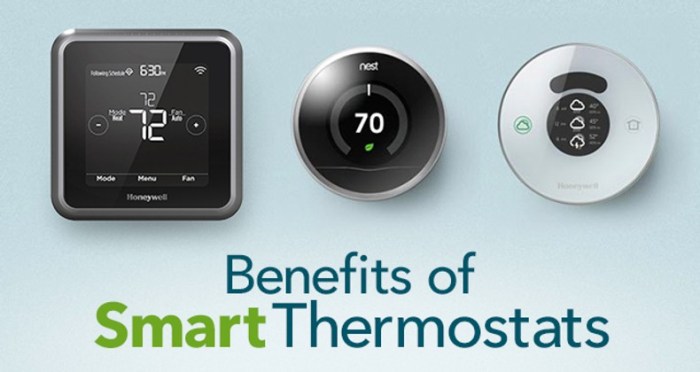
Smart thermostats are designed to work with a variety of HVAC systems, making them versatile solutions for improving the performance of your air conditioner. These devices can integrate seamlessly with different types of heating and cooling setups, providing you with the flexibility to optimize your home’s comfort and energy efficiency.
Process of Integrating Smart Thermostats
When integrating a smart thermostat with your existing air conditioning unit, the process typically involves connecting the thermostat to your HVAC system through Wi-Fi or other communication protocols. This allows you to control your air conditioner remotely using a mobile app or through voice commands with smart assistants like Alexa or Google Assistant.
Some smart thermostats also offer advanced features like learning your preferences over time and adjusting the temperature automatically to maximize comfort and energy savings.
Choosing a Compatible Smart Thermostat
When selecting a smart thermostat that complements your air conditioner model, it’s essential to consider factors such as compatibility with your HVAC system, ease of installation, and the features offered. Look for a thermostat that is compatible with your specific air conditioner brand and model to ensure seamless integration.
Additionally, consider features like geofencing, scheduling, and energy usage reports to maximize the efficiency of your air conditioning unit and reduce energy costs.
Energy Efficiency Benefits

Using a smart thermostat can significantly improve the energy efficiency of your air conditioner, leading to cost savings and reduced environmental impact.Smart thermostats are designed to optimize the heating and cooling of your home based on your schedule and preferences.
By learning your habits and adjusting the temperature accordingly, these devices can help reduce the amount of energy consumed by your air conditioner.
Energy-saving Potential
- Smart thermostats can save up to 10-23% on heating and cooling costs, according to the EPA.
- By automatically adjusting the temperature when you are away or asleep, smart thermostats prevent wasteful energy consumption.
- Remote access features allow you to control your HVAC system from anywhere, ensuring it’s not running unnecessarily when you’re not home.
Comparison of Energy Consumption
- Before installing a smart thermostat, households tend to have higher energy bills due to inefficient temperature control.
- After installing a smart thermostat, users typically see a noticeable decrease in energy consumption and, consequently, lower electricity bills.
- Smart thermostats help avoid unnecessary cooling or heating, leading to more efficient energy use.
Reduction of Electricity Bills
- Smart thermostats contribute to reducing electricity bills by optimizing energy usage and avoiding excessive heating or cooling.
- By programming temperature settings based on your schedule, smart thermostats help you avoid heating or cooling an empty home.
- The ability to monitor and adjust energy consumption through smart devices leads to long-term savings on utility costs.
Outcome Summary
In conclusion, smart thermostats emerge as a game-changer in enhancing your air conditioner’s functionality. From personalized temperature settings to reduced energy consumption, these devices pave the way for a more comfortable and cost-effective indoor environment. Take the leap into the realm of smart home technology and experience the benefits firsthand.
Detailed FAQs
How do smart thermostats regulate temperature more efficiently?
Smart thermostats use advanced algorithms to analyze your usage patterns and adjust temperature settings accordingly, ensuring optimal comfort while minimizing energy wastage.
Can smart thermostats work with any HVAC system?
Smart thermostats are designed to be compatible with a wide range of HVAC systems, providing seamless integration for most setups.
What are the benefits of programming schedules with smart thermostats?
Programming schedules allows you to set specific temperatures for different times of the day, optimizing energy usage and ensuring comfort based on your routine.